A STRATEGIC ANALYSIS OF ONE OF THE MOST IMPORTANT BRANDS IN VENEZUELA PRIVATE AVIATION HISTORY AND ITS UNREALIZED REGIONAL POTENTIAL
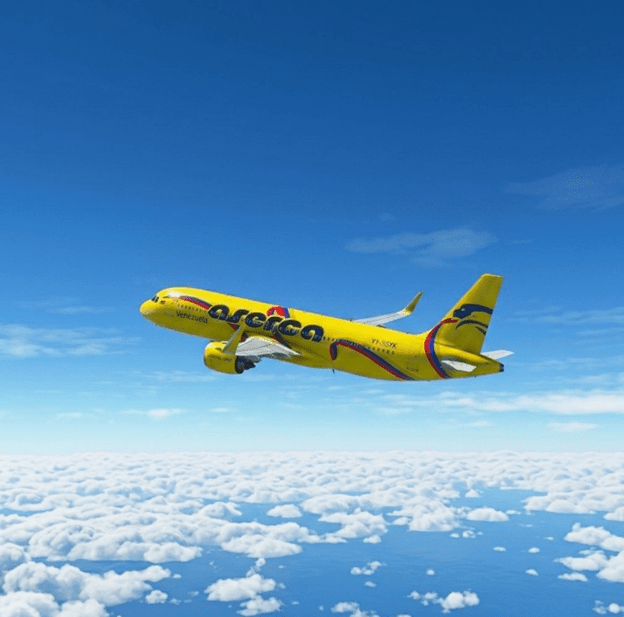
From a strictly business and strategic perspective, and based on market perception, operational capability, historical positioning, and future regional potential, I consider Aserca Airlines to have been one of the Venezuelan airlines with the greatest long-term projection and growth potential within the private aviation sector.
Aserca possessed a combination that very few Venezuelan airlines managed to achieve simultaneously:
- Strong dominance of domestic routes,
- Excellent commercial recognition,
- Operational credibility,
- Regional strategic vision,
- And the ability to evolve into a major Latin American aviation group.
Unlike many other operators, Aserca was not merely surviving in the market; it was actively expanding and positioning itself for regional integration through strategic alliances and international operations. Its relationship with SBA Airlines and PAWA Dominicana demonstrated a broader corporate vision that extended beyond Venezuela’s borders.
In my opinion, if Venezuela had maintained financial stability, access to international banking systems, foreign currency liquidity, and normal aircraft leasing conditions, Aserca could realistically have become a regional hub-style airline comparable in model to Copa Airlines in Panama.
The airline’s decline was not fundamentally due to a lack of market demand or operational weakness, but rather the result of:
- Severe foreign exchange control restrictions,
- Inability to access foreign currency,
- International insurance and leasing limitations,
- Restrictions on aircraft maintenance and spare parts,
- And the general deterioration of Venezuela’s economic and institutional environment.
Even today, the Aserca name continues to hold strong emotional recognition and commercial value among both Venezuelans and aviation professionals. That brand value remains extremely valuable.
Personally, I still believe that, under an appropriate financial structure and with the right international backing, the Aserca brand could once again become highly competitive on routes connecting Venezuela with Miami, Panama, Madrid, the Caribbean, and key South American destinations.
Historically speaking, I would place Aserca among the Venezuelan private airlines with the greatest unrealized potential for international expansion and long-term regional leadership.


Leave a Reply